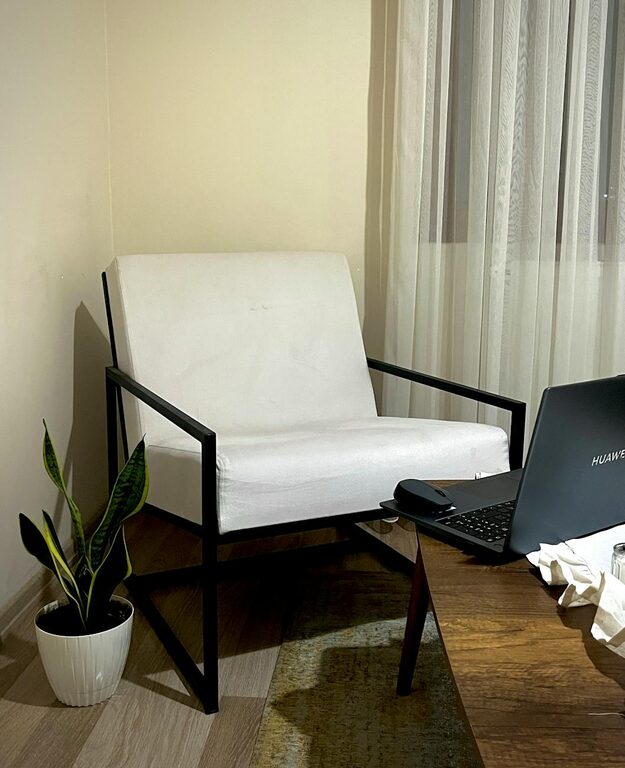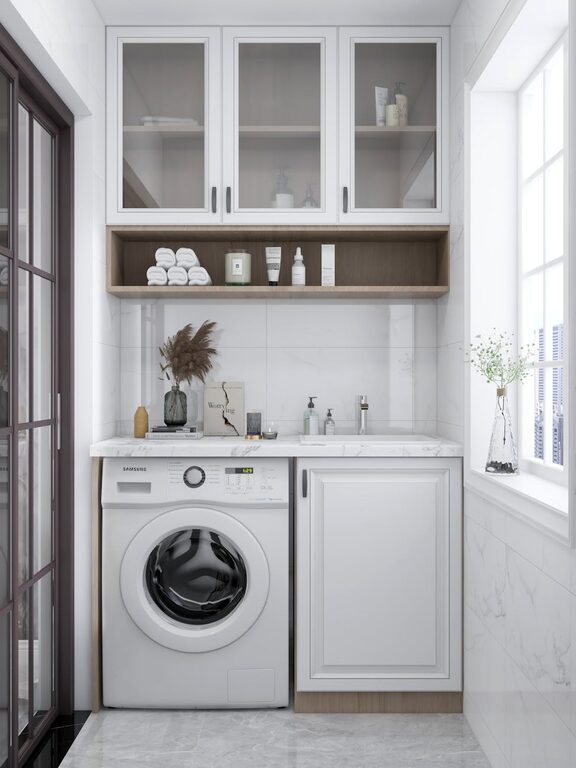








Working from home has become a common part of many people’s lives. While it offers flexibility, it also comes with unique challenges, especially when it comes to creating a workspace that supports productivity without adding stress. A cluttered or poorly arranged space can make it harder to focus and leave you feeling overwhelmed. Fortunately, organizing your home workspace in a thoughtful way can make a big difference in how you work and feel throughout the day.
In this post, we’ll explore practical tips to help you design and maintain a stress-free home workspace.
1. Choose the Right Spot
Selecting the best location in your home for work is the first step toward creating a comfortable and efficient workspace.
Consider Natural Light
Working near a window can boost your mood and reduce eye strain. If natural light isn’t available, make sure you have good quality artificial lighting that doesn’t create glare on your screen.
Minimize Distractions
Pick a spot away from high-traffic areas, noisy appliances, or distracting family activities to help you stay focused.
Use a Dedicated Space
Having a specific area for work — even if it’s a small corner — helps your brain separate work time from relaxation time.
2. Declutter Your Desk and Surroundings
Clutter can increase stress and make it difficult to find things you need quickly.
– Clear your desk of unnecessary items.
– Keep only essential tools within arm’s reach.
– Use trays or containers to organize smaller items like pens, paper clips, and sticky notes.
– Regularly clean your workspace to prevent build-up.
3. Invest in Functional Furniture
The furniture you use impacts both your comfort and productivity.
Ergonomic Chair and Desk
Choose a chair that supports your back and encourages good posture. The desk height should allow your arms to rest comfortably while typing.
Storage Solutions
Shelves, filing cabinets, or storage bins help keep paperwork and supplies organized and out of sight.
4. Organize Cables and Electronics
Tangled cables create visual chaos and can be a tripping hazard.
– Use cable organizers, clips, or sleeves to bundle cords neatly.
– Label power strips and chargers to identify devices easily.
– Position chargers and electronic devices within easy reach.
5. Personalize Without Overdoing It
Adding a few personal touches to your workspace can make it more inviting.
– Include a small plant or two for a touch of nature.
– Display inspiring quotes or photos.
– Use colors and artwork that uplift your mood.
However, avoid overcrowding your space with decorations that might distract or create clutter.
6. Create Zones for Different Tasks
If space allows, divide your workspace into zones for different activities.
– A computer zone for screen work.
– A writing or brainstorming area with paper and pens.
– A storage zone for supplies and documents.
This helps keep your workflow organized and efficient.
7. Develop Daily and Weekly Cleaning Habits
Maintaining an organized workspace requires regular effort.
– Spend a few minutes at the end of each day tidying up.
– Once a week, do a deeper clean: dust surfaces, organize papers, and check supplies.
8. Optimize Lighting and Air Quality
Good lighting and fresh air can greatly affect your comfort and focus.
– Use adjustable desk lamps for focused lighting.
– Open windows when possible or use an air purifier.
– Avoid harsh overhead lighting that can cause headaches.
9. Keep Essential Tools Accessible
Make sure your everyday tools are easy to access but neatly organized.
– Use desk organizers and drawers.
– Keep frequently used items like notebooks, pens, and chargers in specific spots.
10. Set Boundaries to Maintain Work-Life Balance
An organized workspace helps you mentally separate work from home life, but it’s also important to establish clear boundaries.
– Close your laptop and put away work materials at the end of the day.
– Avoid working in non-work areas like the bedroom or couch if possible.
– Communicate your work hours with household members to minimize disturbances.
—
Creating a stress-free home workspace takes some planning and ongoing care, but the benefits to your productivity and well-being are worth it. By choosing the right location, decluttering regularly, investing in ergonomic furniture, and setting clear boundaries, you establish an environment that supports your work and peace of mind.
Try these tips one step at a time, and adjust your setup as you learn what works best for you. Happy organizing!