






Creating a relaxing home workspace is essential for anyone looking to improve both productivity and comfort while working remotely. A calm and inviting environment helps reduce stress, maintain focus, and make your workday more enjoyable. Whether you work full-time from home or occasionally need a quiet spot to concentrate, these tips will help you set up the perfect space.
Why a Relaxing Workspace Matters
Your workspace directly affects your mood and efficiency. If your surroundings feel cluttered or uncomfortable, it’s easy to get distracted or feel overwhelmed. A well-designed, relaxing area clears your mind and supports sustained focus, leading to higher quality work.
Choosing the Right Location
Start by selecting a spot in your home that suits your work needs. Ideally, pick a quiet corner with minimal foot traffic and away from distractions like the TV or kitchen.
Natural Light is Key
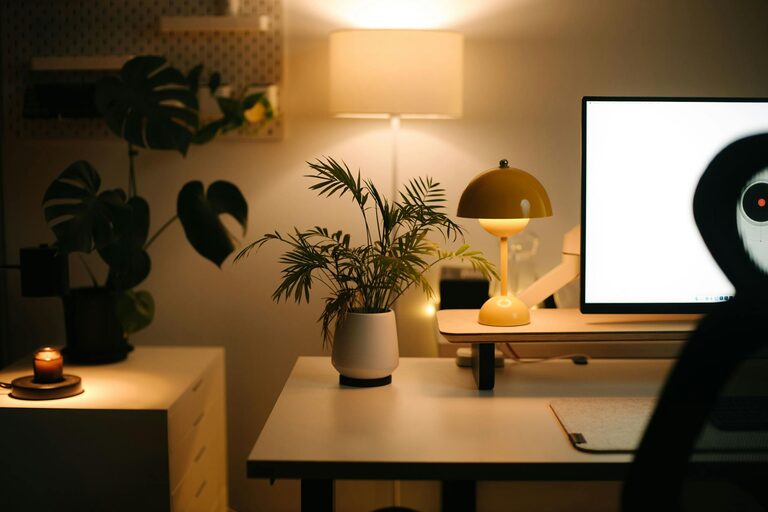
Wherever possible, place your desk near a window. Natural light boosts mood and alertness, reducing eye strain from artificial lighting. If your space lacks windows, invest in good quality lighting options that mimic daylight.
Practical Furniture Choices
Desk and Chair
Invest in an ergonomic chair that supports your back and encourages good posture. Your desk should be large enough to hold your essentials without feeling cramped but not so big that it feels overwhelming.
Organizing Solutions
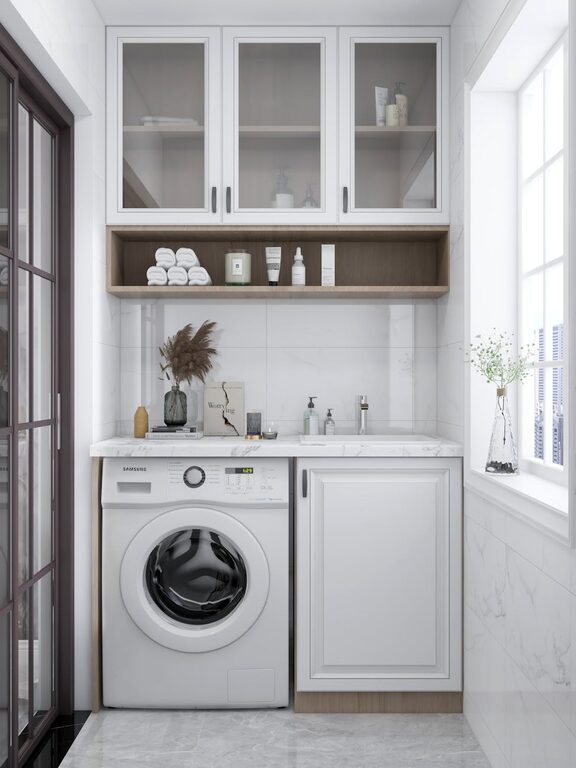
Keep your workspace tidy with smart storage like shelves, drawers, or desk organizers. A clutter-free area promotes a clear mind and helps you find what you need quickly.
Personalize Your Space
Add touches that make you feel calm and motivated. This might include:
– A few plants to add greenery and fresh air
– Artwork or photos that inspire you
– A comfy throw blanket or cushion for added comfort
Mindful Technology Setup
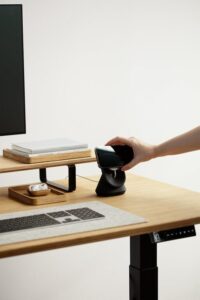
Arrange your computer, keyboard, and other tech gear in a way that reduces strain. Position monitors at eye level to avoid neck pain and use cable organizers to keep cords neat.
Noise Management
If external noise is an issue, consider soundproofing options or use white noise machines or noise-cancelling headphones to create a more peaceful environment.
Break Zones
If space allows, create a small area for breaks. Having a separate spot to relax briefly during your day can help refresh your mind and increase overall productivity.
Keep It Fresh and Inviting
Regularly air out your workspace and keep it clean. A fresh-smelling, well-maintained area invites you to spend time there and work comfortably.
Establish Boundaries
To maintain a relaxing atmosphere, set clear work hours and communicate them to family or housemates. This helps minimize interruptions and lets you mentally switch between work and home life.
Final Thoughts
Designing a relaxing home workspace is about balance—combining comfort, functionality, and personal touches. By setting up an environment that feels good to be in, you empower yourself to work more effectively and enjoy the process. Start small and adjust your space as needed to find what works best for you.