






Creating a sustainable and eco-friendly home environment is a wonderful way to contribute positively to the planet while often saving money and improving your quality of life. Whether you are starting from scratch or looking to make small changes, there are many practical steps you can take to reduce your environmental footprint. Here are some helpful tips to guide you toward a greener home.
Why Create a Sustainable Home?
A sustainable home minimizes waste, conserves energy and water, and uses resources wisely. This approach not only lowers your utility bills but also reduces pollution and supports healthier living spaces. Embracing sustainability at home can inspire your family and community, creating a ripple effect of positive choices.
Energy Efficiency
Reducing energy consumption is one of the most impactful ways to create an eco-friendly home. Here are some key strategies:
Upgrade to Energy-Efficient Appliances
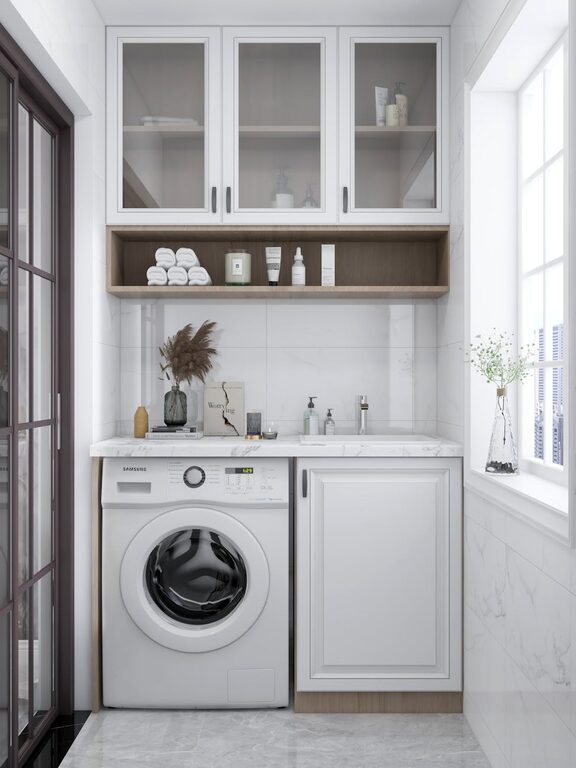
Look for appliances with the ENERGY STAR label, which indicates they meet energy-saving standards. These include refrigerators, washing machines, and light bulbs.
Use LED Lighting
Replace traditional incandescent bulbs with LED lights. LEDs use significantly less energy and last much longer.
Improve Insulation and Sealing
Proper insulation in walls, attics, and floors prevents heat loss in winter and keeps your home cooler in summer. Check for drafts around windows and doors and seal any gaps.
Consider Renewable Energy
If possible, install solar panels or participate in community solar programs. Using renewable energy reduces demand on fossil fuels.
Use Smart Thermostats
Smart thermostats help optimize heating and cooling schedules, ensuring energy is not wasted when no one is home.
Water Conservation
Water is a precious resource, and conserving it reduces the strain on local supplies and lowers utility bills.
Install Low-Flow Fixtures
Use water-efficient faucets, showerheads, and toilets to reduce water use without sacrificing performance.
Collect Rainwater
Set up rain barrels to collect and reuse rainwater for outdoor watering.
Fix Leaks Promptly
Even small leaks can waste large amounts of water over time. Regularly check pipes, faucets, and toilets for leaks and repair them quickly.
Practice Smart Gardening
Choose drought-tolerant native plants and use mulch to retain moisture in the soil.
Sustainable Materials and Furnishings
Using eco-friendly materials for your home and furniture can limit harmful chemicals and reduce waste.
Choose Natural Materials
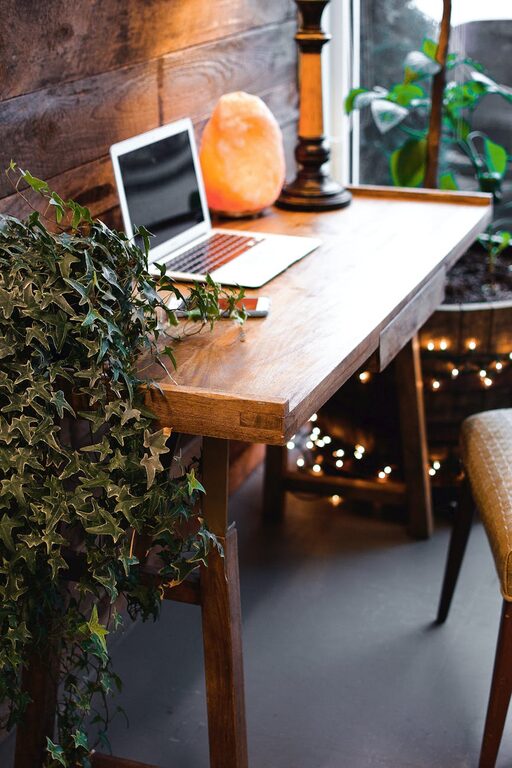
Opt for sustainable materials like bamboo, reclaimed wood, or recycled metal for flooring, furniture, and decor.
Avoid VOCs
Volatile Organic Compounds (VOCs) in paints and finishes can affect indoor air quality. Use low-VOC or zero-VOC products for a healthier environment.
Upcycle and Donate
Instead of buying new, consider upcycling old furniture or donating items you no longer use. This reduces demand for new resources and prevents waste.
Waste Reduction and Recycling
Managing waste responsibly is key to sustainability.
Compost Organic Waste
Start a compost bin for food scraps and yard waste. Compost enriches soil naturally and reduces landfill contributions.
Separate Recyclables
Set up clearly labeled bins for paper, plastic, glass, and metals to encourage proper recycling habits.
Reduce Single-Use Items
Replace disposable products with reusable alternatives such as cloth napkins, refillable water bottles, and reusable shopping bags.
Indoor Air Quality
A sustainable home is also a healthy home. Good air quality matters for wellbeing.
Ventilate Regularly
Open windows or use ventilation systems to bring fresh air inside, especially when cooking or using cleaning products.
Use Natural Cleaning Products
Switch to eco-friendly cleaning solutions free from harsh chemicals to minimize indoor pollution.
Add Houseplants
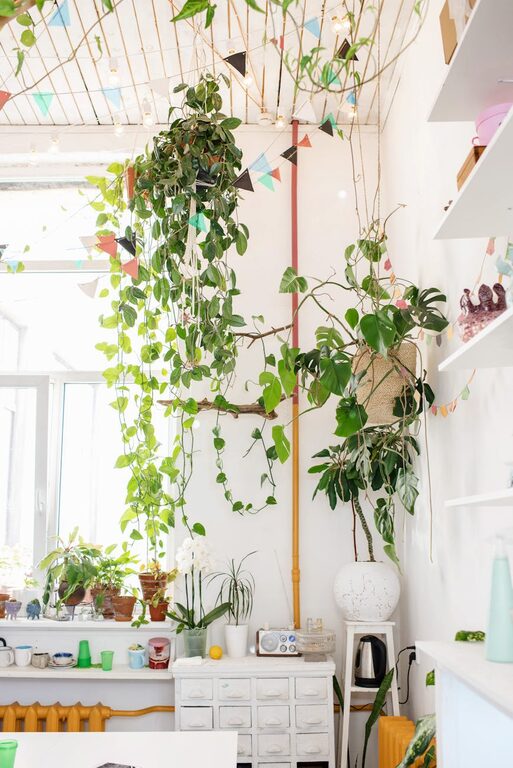
Certain plants can help filter indoor air pollutants while adding natural beauty.
Smart Living Habits
Beyond changes to your home’s systems and products, daily habits also make a difference.
Turn Off Unused Electronics
Power down devices when not in use to avoid “phantom” energy drain.
Wash Clothes Efficiently
Use cold water cycles and full loads to save water and energy.
Eat Sustainably
Buy local, seasonal produce or grow your own herbs and vegetables to reduce food miles and packaging waste.
Conclusion
Transforming your home into a sustainable and eco-friendly space is an achievable goal with many benefits. By focusing on energy conservation, water saving, using sustainable materials, reducing waste, improving indoor air quality, and adopting mindful habits, you can make a positive impact on the environment and your family’s health. Small changes, when combined and continued over time, create lasting results that contribute to a greener future. Start with one or two tips today and build from there – every effort counts!